Archives by date

You are browsing the site archives by date.

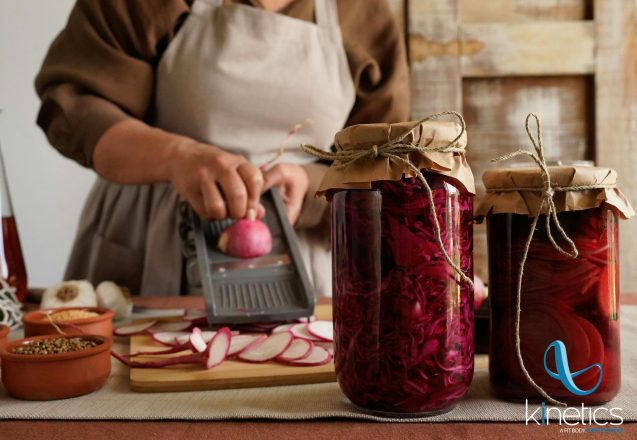
Nourish Your Gut the Ancient Way
Nourish Your Gut the Ancient Way

Ancient wisdom for modern health: Fermented food

What if I told you that one of the most powerful tools to boost our health isn’t new, trendy, or expensive—but something humans have been doing for thousands of years?

We often think of “bacteria” as something to avoid, but when it comes to fermentation, certain BACTERIA ARE OUR GREATEST ALLIES. Fermentation is one of the oldest food preservation methods known to humanity, and it’s making a big comeback—for good reason!

What is Fermentation, anyway?

Before refrigerators existed, fermentation was a way to keep food safe for longer. 

At its core, fermentation is a natural, controlled process where beneficial microorganisms (like certain bacteria and yeast) convert sugars into acids or alcohol, creating an environment where harmful microbes can’t thrive.

But fermentation does more than just preserve food—IT TRANSFORMS IT.

Fermentation enhances flavor and nutrition:

  • It creates deeper, more complex flavors (think tangy yogurt, sourdough, kimchi, kefir).
  • It can increase the availability of nutrients by breaking down compounds that reduce absorption.
  • Some fermented foods naturally contain vitamins like B vitamins and vitamin K.
  • It’s a link to our past and ancestors. Almost every culture on earth has a traditional fermented dish—from sauerkraut and kefir in Eastern Europe, kimchi in Korea, miso in Japan, yogurt across the Mediterranean or fermented corn, cassava, and grains in Latin America and Africa.

MUCH MORE THAN JUST GUT HEALTH

Our gut is home to trillions of microorganisms that play a key role in:

  • Digestion
  • Immune function
  • Inflammation control
  • Even mood and mental health

Fermented foods can support this ecosystem by providing LIVE BENEFICIAL BACTERIA and compounds that help existing microbes thrive. 

A DIVERSE MICROBIOTA aka microorganism is linked to better overall health—and fermented foods help build that diversity.

Fermented vs. Pickled: Not the same thing

These two often get confused, but they’re different: Fermented foods rely on natural bacteria to create acids over time. Whereas pickled foods are preserved by adding vinegar or acid directly—no live microorganisms required.

Pickles can be tasty, but they don’t necessarily provide the same health benefits as truly fermented foods.


Here’s Your Challenge

This week, try adding one fermented food per day:

A spoonful of sauerkraut with lunch.
Yogurt with breakfast
Swap your soda for a kombucha or kefir
Miso soup or kimchi with dinner
Start small—your gut will thank you.


Pro-challenge: try preparing your own Homemade Sauerkraut at home! 

Courtesy of Daring Gourmet


Ingredients

1 small green cabbage

1½ teaspoons salt


Directions

1- Shred the cabbage and place it in a bowl. Reserve 1 outer leaf.
2-
Add salt and massage with clean hands until it releases liquid (about 5 minutes).
3- Pack tightly into a clean jar so the cabbage stays submerged in its own liquid. Press down with a wooden spoon or tamper to remove air bubbles and ensure the cabbage is fully submerged in its own liquid. If liquid is insufficient, add a brine made of 1 teaspoon salt dissolved in 1 cup water.
4- Place a reserved cabbage leaf and a weight on top to keep it submerged. This is critical to prevent mold growth.
5- Cover the jar with a cloth secured by a rubber band to allow gas to escape while preventing contamination.
6- Let the jar sit at room temperature (preferable in the dark).
Check daily and press down on the weight to keep the cabbage submerged.
Bubbles, foam, and white scum are normal signs of healthy fermentation.
7- After 3 days, begin tasting; fermentation is complete when the sauerkraut reaches your desired sourness. It may take up to 10 days or more for full flavor development.
8- Once fermented to taste, remove the weight and lid, then transfer the sauerkraut to a sealed container and refrigerate to halt fermentation.

Refrigerated sauerkraut can last for several months, often up to 6 months or longer, if stored in a sealed container.

Tip: A tablespoon with meals is enough to start—go slow and listen to your gut.

Eager for more? Look for more recipes in our coming Foodie Fitness newsletter every Friday for more inspiration!


Call to Action

We know nutrition can feel complicated, but it doesn’t have to be! If you want to learn more about how to pair your training with the right recovery foods, reply to this email or text us at 732-314-3086 and we’d be happy to get you started. Our team at Kinetics NJ is here to help you build a lifestyle that supports your goals—from the inside out.


What’s Coming Up At Kinetics

ADULT PROGRAMMING

  • JAN. 26 – MAR. 15: FITNESS CHALLENGE: 50 DAYS KINETICS STRONG
  • FEB. 7 – MAR. 14: VINYASA FLOW SERIES, *theme, LOVE YOUR SPINE, Saturdays 11:15-12:30PM
  • FEB 8, 1:00-5:00 PM: Historical Exhibit, The Black Kentucky Derby 1875-1921. RSVP required, text 973-433-6169
  • FEB 14, 3:00-5:00 PM Couples Vegan Cooking Class: Couples Who Cook. RSVP required, text 732-314-3086

KIDS PROGRAMMING

  • JAN 2 – FEB 20, 1:00-3:00 PM: Cooking With The Vegan Spot: Vegan Cooking with Spanish Language Practice for Kids (ages 6-11)
  • JAN 24 – FEB 28, 9:00-10:00 AM: Aerial Fit for Kids.

TO GET MORE INFORMATION ABOUT ANY UPCOMING PROGRAM, DO TEXT US AT 732-314-3086. WE LOOK FORWARD TO HEARING FROM YOU!
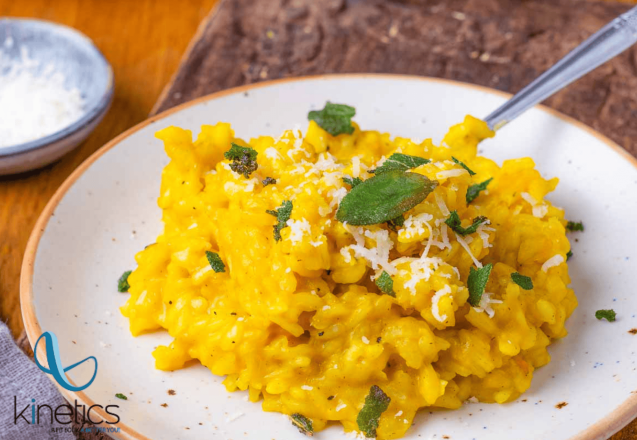


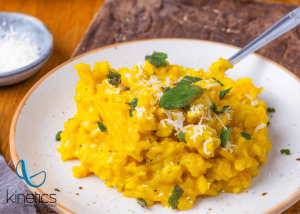
Creamy Chicken-Pumpkin Rice

Creamy Chicken-Pumpkin Rice

Courtesy of Kulinaria Recetas

Ingredients

½ medium pumpkin (peeled, seeds removed, cut into cubes) 

1 large onion (chopped) 

3 garlic cloves (minced) 

1 chicken breast (cut into cubes) 

1 large leek (sliced) 

1 cup rice 

1 vegetable stock cube (plus water as needed) 

Cheese to taste (grated, for finishing) 


Instructions

  1. Cut the peeled, deseeded pumpkin into cubes. 
  2. Heat a little oil in a large pot over medium-high heat. Add the onion and garlic and cook until softened. Add the pumpkin cubes and continue to sauté until they start to turn golden. 
  3. Crumble in the vegetable stock cube and add enough water to just cover the vegetables. Bring to a boil, then reduce heat and simmer until the pumpkin is very tender. 
  4. Once the pumpkin is soft, remove the pot from heat and use a blender (or immersion blender) to puree the mixture into a smooth pumpkin soup. Set aside. 
  5. In a separate skillet, heat a little oil, then add the cubed chicken and sliced leek. Cook until the chicken is browned and the leek is softened. Season with salt and pepper to taste. 
  6. Stir the rice into the chicken and leek mixture, and cook for a few minutes until the rice becomes slightly translucent. 
  7. Pour the pumpkin soup over the rice and chicken mixture. Stir well, reduce heat to low, cover and cook until the rice is tender and creamy, adding a little extra water or broth if needed. 
  8. Once cooked, adjust seasoning to taste and serve warm with grated cheese sprinkled over the top. 


Nutrition facts per serving (1 bowl, ~300 g, ~10 oz):

Calories 298 kcal, Fat 7.6 g, Saturated Fat 1.7 g, Carbohydrates 39.1 g, Dietary Fiber 1.9 g, Sugars 5.2 g, Protein 18.2 g, Sodium 256 mg, Calcium 74 mg, Iron 2.3 mg, Potassium 597 mg, Vitamin C 14.9 mg.


The POWER of Gratitude

The POWER of Gratitude

The POWER of Gratitude 💛

At Kinetics, we believe progress comes from more than just movement. It comes from awareness, intention, and appreciation for what our bodies can do. Gratitude is one of the most effective ways to support our performance.

It is simple, free, and scientifically proven to improve both mental and physical health. 

Our brains are wired to scan for problems like deadlines, life stressors, self-comparisons and negative self-talk. But just like we train our bodies, our minds need “reps” to stay strong and resilient.

Practicing gratitude helps us shift from what’s missing or what’s hard to WHAT WE HAVE and WHAT’S GOING WELL.

It helps by:

  • Boosting mood and motivation
    Gratitude increases dopamine and serotonin—neurotransmitters linked to motivation, enjoyment, and emotional balance. Feeling good fuels showing up.
  • Lowering stress
    It reduces cortisol and activates the parasympathetic nervous system—the “rest and recover” mode your body needs to heal and adapt to training.
  • Improving focus and mental resilience
    When you intentionally notice what’s going well, your brain becomes less reactive and more grounded. That translates into better decision-making, patience, and consistency.
  • Better sleep quality
    People who practice gratitude regularly report falling asleep faster and sleeping more deeply—key for muscle repair and energy levels.

Shifting our focus can actually rewire your brain and move from “I have to work out” to “I get to move my body today” or “I am grateful that my body is strong enough to do this”.

It builds respect for the body and reinforces patience with our progress, and long-term commitment to health—not punishment-based exercise.


Here’s your challenge

Keep gratitude simple and doable:

  • After your workout, pause to thank yourself for showing up and taking the time to care for your body. Acknowledge your effort!
  • Before going to sleep today, write down 3 things you’re grateful for—big or small.


Call to action

If you’d like help creating a training approach that strengthens both your body and your mental resilience, reply to this email or text us at 732-314-3086. Our team is here to help you build a practice that supports you.


What’s Coming Up At Kinetics

ADULT PROGRAMMING

  • JAN. 26 – MAR. 15: FITNESS CHALLENGE: 50 DAYS KINETICS STRONG
  • FEB. 7 – MAR. 14: VINYASA FLOW SERIES, *theme, LOVE YOUR SPINE, Saturdays 11:15-12:30PM
  • FEB 8, 1:00-5:00 PM: Historical Exhibit, The Black Kentucky Derby 1875-1921. RSVP required, text 973-433-6169
  • FEB 14, 3:00-5:00 PM Couples Vegan Cooking Class: Couples Who Cook. RSVP required, text 732-314-3086

KIDS PROGRAMMING

  • JAN 2 – FEB 20, 1:00-3:00 PM: Cooking With The Vegan Spot: Vegan Cooking with Spanish Language Practice for Kids (ages 6-11)
  • JAN 24 – FEB 28, 9:00-10:00 AM: Aerial Fit for Kids.

TO GET MORE INFORMATION ABOUT ANY UPCOMING PROGRAM, DO TEXT US AT 732-314-3086. WE LOOK FORWARD TO HEARING FROM YOU!


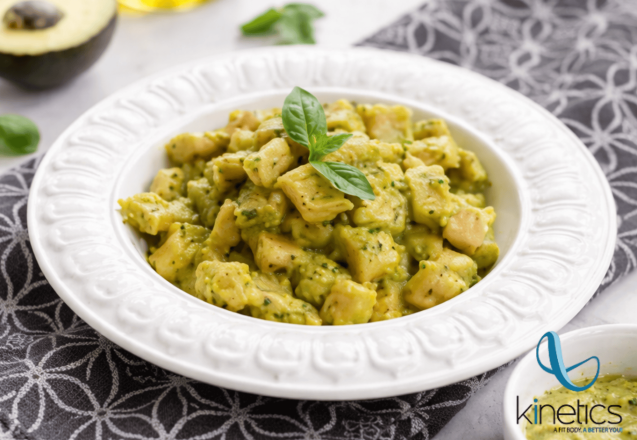
Cauliflower gnocchi with Green Pesto (Vegetarian)

Cauliflower gnocchi with Green Pesto (Vegetarian)

Courtesy of Kulinaria Recetas

These soft, delicate dumplings are made from cauliflower and come together without kneading or rolling. The mild flavor of the cauliflower pairs beautifully with a classic basil pesto, letting the vegetables and herbs shine. It’s an easy, comforting dish that feels special without being heavy.

Ingredients

For the dumplings

  • 1 medium cauliflower (about 600 g), cut into florets
  • 250 g all-purpose flour (or gluten free all-purpose mix)
  • 1 large egg
  • Salt and black pepper, to taste

For the fresh pesto sauce

  • 1 bunch fresh basil
  • A handful of pine nuts or walnuts
  • 1–2 garlic cloves, to taste
  • Grated cheese (Parmesan or similar), to taste
  • Olive oil, as needed
  • Salt and black pepper, to taste


Instructions

  1. Heat a drizzle of olive oil in a large skillet over medium heat. Add the cauliflower florets and sauté for a few minutes until lightly golden. Add enough water to reach halfway up the cauliflower, cover, and cook over low heat until completely tender. Remove from heat and let cool slightly.
  2. Transfer the cooked cauliflower to a food processor and blend until smooth. Add the egg, salt, and pepper, and pulse to combine. Gradually add the flour, mixing until you get a soft, slightly sticky dough.
  3. Bring a large pot of salted water to a boil. Transfer the dough to a piping bag or a sturdy plastic bag with the corner cut off. Pipe short pieces of dough directly into the boiling water, cutting them with a spoon or knife.
  4. Once the dumplings float to the surface, cook for another 30–60 seconds, then remove with a slotted spoon and set aside.
  5. In a blender or food processor, combine the basil, nuts, garlic, and grated cheese. Blend while slowly adding olive oil until you reach a smooth consistency. Season with salt and pepper to taste.
  6. Transfer the cauliflower dumplings into a skillet, toss them gently until slightly browned. Add the pesto sauce.
  7. Serve and finish with extra grated cheese and a drizzle of olive oil if desired.


Nutrition facts per serving (1 plate, 250 g, 8.8 oz):
Calories 455 kcal, Fat 19.2 g, Saturated Fat 3.4 g, Carbohydrates 57.5 g, Dietary Fiber 5.2 g, Sugars 3.5 g, Protein 14.5 g, Sodium 455 mg, Calcium 142 mg, Iron 4.6 mg, Potassium 624 mg, Vitamin C 74.9 mg.


Your Body Is Telling You Something

Your Body Is Telling You Something

Active Recovery vs. Passive Recovery aka – Total Rest

Has this ever happened to you? 

You crushed your workouts all week long, you felt unstoppable so you kept at it. 

Then, out of nowhere you hit a wall and now you have an achy back, heavy shoulders, super sore legs and it’s mentally blurring you. 

Those symptoms are feedback signals from your body that you may need rest. 

Our body’s signals tell us when to train hard and when to back off. We back off with rest. Let me explain. 


Decoding your body’s signals

Just like your car has different warning lights, your body has different ways of communicating its needs. 

Here is how to distinguish between

 “I need a light day of training ” and

 “I need to shut down with total rest.”

If you feel…

Mild soreness or tightness consider Active recovery

A gentle stretch class – nothing too strenuous.

(e.g., muscles feel “heavy” but not painful, slight fatigue)


Sharp pain or Injury consider taking total rest 

Allow your body the time it needs to recover.

(e.g., joint pain, shooting sensation, inability to move normally)


Mental fatigue consider active recovery in nature 

Go for a walk.

(e.g., demotivated, anxious about the gym, run down, prolonged poor sleep)


Training that heals 

Rest, 

Passive recovery or total rest. This is when we skip purpose driven physical exercise or activities – if it’s possible we get extra sleep or relax with a good book. 

Active recovery is light physical exercise or activities that encourage blood flow but aren’t strenuous. 

Rest intervals are short breaks taken between activities that require effort. 

Our bodies are able to heal when we give it the proper training and rest. We learn to not only work hard but to work smart 

Here are some ideas you can try on your active recovery days:

  • A 20-30 minute light walk or leisurely bike ride.
  • Gentle yoga, stretching, or mobility session.
  • A low-intensity session on a rower or elliptical machine.

Please note, passive rest is NOT a failure; it is a critical part of our resistance training process.

The takeaway is simple: BE HONEST WITH YOURSELF.

Is it laziness, or is it genuine need? If you are just a little sore, get moving lightly. If you are deeply fatigued or in pain, embrace the couch and know you are actually making gains by resting!

Ready to build a smart, sustainable routine?

If you need help structuring your training week—balancing challenging resistance work with smart rest and recovery— Reply to this message. Team Kinetics NJ is here to help you get truly fit, safely.


What’s Coming Up At Kinetics

ADULT PROGRAMMING

  • JAN. 26 – MAR. 15: FITNESS CHALLENGE: 50 DAYS KINETICS STRONG
  • FEB. 7 – MAR. 14: VINYASA FLOW SERIES, *theme, LOVE YOUR SPINE, Saturdays 11:15-12:30PM
  • FEB 8, 1:00-5:00 PM: Historical Exhibit, The Black Kentucky Derby 1875-1921. RSVP required, text 973-433-6169
  • FEB 14, 3:00-5:00 PM Couples Vegan Cooking Class: Couples Who Cook. RSVP required, text 732-314-3086

KIDS PROGRAMMING

  • JAN 2 – FEB 20, 1:00-3:00 PM: Cooking With The Vegan Spot: Vegan Cooking with Spanish Language Practice for Kids (ages 6-11)
  • JAN 24 – FEB 28, 9:00-10:00 AM: Aerial Fit for Kids.

TO GET MORE INFORMATION ABOUT ANY UPCOMING PROGRAM, DO TEXT US AT 732-314-3086. WE LOOK FORWARD TO HEARING FROM YOU!


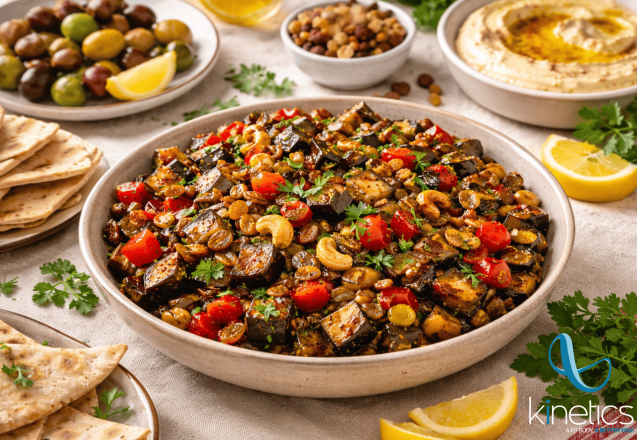
Smoky Eggplant & Pepper Salad (Vegan)

Smoky Eggplant & Pepper Salad (Vegan)

Courtesy of somosohlala.com

This vibrant salad from Armenian tradition brings together roasted eggplant and bell peppers with crunchy nuts and sweetness of dried fruit. 

It’s a perfect make-ahead dish for gatherings, or as a refreshing side to grilled meats and mezze. 

Simple yet full of texture and flavor, it will surely become a favorite at your table. 


Ingredients (about 5 servings)

  • 3 medium eggplants 
  • 1 green bell pepper 
  • 1 red bell pepper 
  • 1 small bowl (≈50 g) mixed nuts and dried fruit — such as cashews, peeled almonds, and raisins (black and golden) 
  • Olive oil, as needed 
  • Salt, to taste 


Instructions

  1. Wash the eggplants and cut them into small cubes. Lightly brush or toss them with a bit of olive oil and spread them out on a baking sheet. 
  2. Preheat your oven and roast the eggplant cubes for ~30 minutes, until tender and lightly browned. 
  3. Wash the green and red bell peppers. Remove stems and seeds, then dice into small pieces. 
  4. Place the pepper pieces in another oiled baking sheet and roast in the oven for ~30 minutes, until they’re soft and can be gently pressed with your fingers. 
  5. Remove both the eggplant and peppers from the oven and let them cool completely to room temperature. 
  6. In a large bowl, combine the vegetables. Add the mixed nuts and dried fruit. 
  7. Drizzle with more olive oil if you like, season with salt to taste, and serve chilled or at room temperature. 


Nutrition facts per serving (3/4 cup, 184 g, 6.5 oz):

Calories 258 kcal, Fat 12.9 g, Saturated Fat 1.8 g, Carbohydrates 35.2 g, Dietary Fiber 14.1 g, Protein 6.5 g, Sodium 350 mg, Calcium 52 mg, Iron 1.6 mg, Potassium 1149 mg, Vitamin C 99.1 mg.


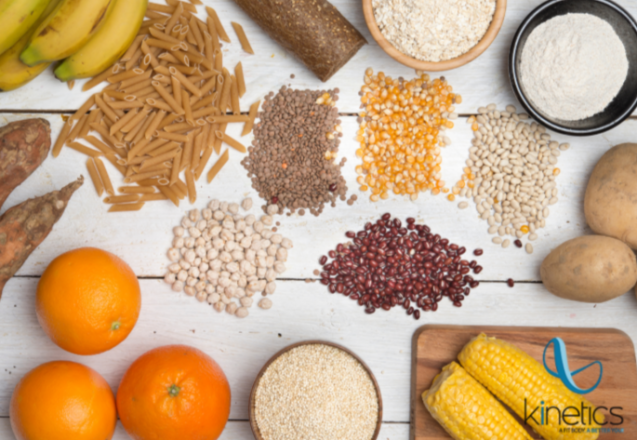
Why Carbs Aren’t Our Enemy

Why Carbs Aren’t Our Enemy

If you’ve ever tried to lose weight or improve your fitness, you’ve probably heard this before: “Cut the carbs.” Bread, pasta, potatoes—gone. But is that really the secret to getting fit?

Not quite.

Carbs have been unfairly blamed for weight gain and energy crashes for years. The truth? Carbohydrates are not the enemy. They’re actually our body’s preferred source of fuel—especially for your brain and your workouts at Kinetics NJ 😜. 

The real key isn’t eliminating carbs. It’s choosing the right ones and eating them at the right time.

Let’s Clear Up the Carb Confusion

Think of our bodies like a high-performance car.

  • Protein builds and repairs muscle.
  • Healthy fats support long-lasting energy and hormones.
  • Carbs? They’re the fuel that gets you moving.

Carbohydrates power intense activity—lifting, sprinting, training hard. Cutting them out completely is like trying to drive on empty. We might lose some water weight at first, but we’ll soon feel tired, sluggish, and stuck in our progress.

While low-carb diets can be useful in specific situations, for most people, including healthy carbs leads to better energy, performance, and consistency.

Not All Carbs Are the Same

When people say “carbs are bad,” they’re usually talking about refined carbs—white bread, pastries, sugary drinks. These digest quickly, spike blood sugar, and leave you hungry again soon after.

Complex carbs, on the other hand—like, brown or wild rice, quinoa, sweet potatoes, fruits, and vegetables—contain fiber, vitamins, and minerals. They digest more slowly, keep you full longer, and provide steady energy throughout the day.

These are the carbs your body loves.

How to Use Carbs to Our Advantage

Timing matters.

  • Earlier in the day & around workouts: This is when our body needs fuel most. Eating carbs before training helps us perform better, and pairing carbs with protein after our workout supports recovery.
  • Lunch > Dinner: A carb-rich lunch can power you through your day. In the evening, when activity slows down, meals can lean more toward protein and vegetables.

Everyone is different, and our needs vary—but this is a great place to start.

The Bottom Line

Carbs don’t ruin results—poor choices and poor timing do. When we focus on whole-food carbs and fuel our bodies properly, we’ll feel stronger, more energized, and more confident in our training.


Ready to Stop Fearing Carbs?

It’s time to move past the fad diets and embrace a balanced approach that fuels our fitness goals. Focus on whole-food carbs, time them intelligently around our workouts, and watch our energy, performance, and muscle tone skyrocket.

Team Kinetics NJ is here to help! If YOU ARE READY to dial in your nutrition strategy to maximize your results, reach out to us by responding to this email and we will work together to help you GET THE MOST out of your training!


It’s Your Turn


Snap & Share Your Meal:

  • Take a photo of your favorite carb-smart meal and share it with the Kinetics NJ community (social media or in the gym).
  • Use the hashtag #CarbSmartChallenge and tag Kinetics NJ.
  • Bonus points for creative plating, colorful meals, or pairing carbs with protein and veggies.

What’s Coming Up At Kinetics

ADULT PROGRAMMING

  • JAN. 26 – MAR. 15: FITNESS CHALLENGE: 50 DAYS KINETICS STRONG
  • FEB. 7 – MAR. 14: VINYASA FLOW SERIES, *theme, LOVE YOUR SPINE, Saturdays 11:15-12:30PM
  • FEB 8, 1:00-5:00 PM: Historical Exhibit, The Black Kentucky Derby 1875-1921. RSVP required, text 973-433-6169
  • FEB 14, 3:00-5:00 PM Couples Vegan Cooking Class: Couples Who Cook. RSVP required, text 732-314-3086

KIDS PROGRAMMING

  • JAN 2 – FEB 20, 1:00-3:00 PM: Cooking With The Vegan Spot: Vegan Cooking with Spanish Language Practice for Kids (ages 6-11)
  • JAN 24 – FEB 28, 9:00-10:00 AM: Aerial Fit for Kids.

TO GET MORE INFORMATION ABOUT ANY UPCOMING PROGRAM, DO TEXT US AT 732-314-3086. WE LOOK FORWARD TO HEARING FROM YOU!



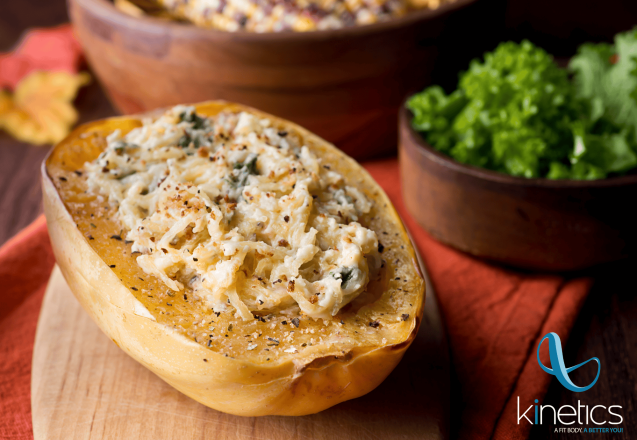
Quinoa–Stuffed Spaghetti Squash (Vegetarian)

Quinoa–Stuffed Spaghetti Squash (Vegetarian)

Courtesy of Maite

This cozy dish brings together tender strands of roasted spaghetti squash and a savory quinoa filling packed with vegetables and herbs. It’s nourishing, and hearty enough to stand alone as a main course—perfect for a weeknight dinner or a make-ahead meal that reheats beautifully.


Ingredients

1 medium spaghetti squash, halved lengthwise and seeds removed

1 tbsp olive oil, plus more as needed

Salt and black pepper, to taste

For the Quinoa Filling

1 cup cooked quinoa

1 egg

1 onion, finely diced

2 cloves garlic, minced

1 cup mushrooms, finely chopped

1 cup baby spinach, roughly chopped

¼ cup grated Parmesan cheese

1 tsp dried oregano

½ tsp smoked paprika

¼ tsp red pepper flakes (optional)

Optional Toppings

Fresh parsley or basil, chopped

Extra Parmesan cheese


Instructions

  1. Preheat the oven to 400°F (200°C). Brush the cut sides of the spaghetti squash with olive oil and season with salt and pepper. Place cut-side down on a baking sheet and roast for 35–40 minutes, or until tender. Set aside to cool slightly.
  2. While the squash roasts, heat 1 tablespoon olive oil in a skillet over medium heat. Add the onion and cook for 3–4 minutes, until softened. Stir in the garlic and cook for 30 seconds until fragrant.
  3. Add the mushrooms to the skillet and cook for 4–5 minutes, until they release their moisture and begin to brown. Stir in the spinach and cook until the spinach wilts.
  4. Mix the cooked quinoa, with the egg, oregano, smoked paprika, red pepper flakes (if using), and Parmesan cheese. Add the cooked vegetables, season with salt and pepper, and stir until well combined.
  5. Using a fork, gently scrape the inside of the spaghetti squash to create strands, leaving them in the shell. Spoon the quinoa mixture evenly into each squash half and lightly mix with the strands.
  6. Return the stuffed squash to the oven and bake for 10–12 minutes, until heated through. Garnish with fresh herbs and extra Parmesan before serving.


Nutrition facts per serving (½ stuffed squash, ~550 g):

Calories 385 kcal, Fat 20.5 g, Saturated Fat 6.2 g, Carbohydrates 36.0 g, Dietary Fiber 6.8 g, Sugars 8.5 g, Protein 15.5 g, Sodium 520 mg, Calcium 210 mg, Iron 3.2 mg, Potassium 820 mg, Vitamin C 14 mg.


One of the Most Important Parts of Our Workout Routine

One of the Most Important Parts of Our Workout Routine

What if one of the most powerful things we could do for our fitness doesn’t happen in the gym at all?

It happens when we rest.

Sleep and recovery are often overlooked. Yet they’re essential for turning our hard work into real results. Every workout places stress on our bodies—but it’s during rest, especially sleep, that our bodies adapt, repair, and grow stronger.

For most people, consistently getting 7–9 hours of quality sleep is key for both physical and mental recovery. While a small number of people naturally need less, the majority of us function best when we’re well-rested. When sleep falls short, the body is always trying to catch up—and that makes progress much harder.

Sleep Helps Regulate Hunger (Not Willpower)

If cravings feel out of control, it’s not a lack of discipline—it may be a lack of sleep.

Sleep plays a major role in balancing the hormones that regulate appetite:

  • Ghrelin, the hormone that signals hunger, increases when sleep is short—often driving cravings for quick energy like sugar and refined carbs.
  • Leptin, the hormone that signals fullness, decreases with poor sleep, making it harder to feel satisfied.

When sleep is prioritized, these signals rebalance, we feel more in tune with our body’s needs, making nourishing choices feel easier—not forced.

Sleep Supports Fat Loss and Stress Management

Lack of sleep places the body under stress, increasing levels of cortisol, a hormone linked to fat storage and muscle breakdown.

Chronically elevated cortisol can:

  • Encourage fat storage, particularly around the midsection
  • Interfere with muscle repair and maintenance

Quality sleep helps calm our nervous systems and signals safety to our bodies—creating the right internal environment to support fat loss while preserving muscle.

Muscle Growth Happens When You Rest

Training stimulates our muscles—but they don’t grow during the workout itself.

Muscle repair and growth primarily happen during sleep, when the body releases growth hormone. This hormone helps rebuild muscle tissue, repair micro-damage from training, and support strength and definition over time.

Without adequate sleep, our bodies don’t get the chance to complete this process—meaning some of our hard work may never fully pay off.

So Respect the Rest

Fitness isn’t just about pushing harder. It’s about supporting our bodies so it can respond, adapt, and thrive.


Here’s a gentle challenge

  • Tonight, aim to go to bed 30 minutes earlier than usual.
  • Tomorrow, see if you can stretch that to an hour.

Small changes add up—and our bodies will thank us later.

If quality sleep feels hard to come by, or if you want a training plan that works with your recovery instead of against it, I’m here to help.

Text me at 732-314-3086 or respond to this email today, and let’s build a program that supports your energy, your goals, and the healthiest version of you. 💛


What’s Coming Up at Kinetics

ADULT PROGRAMMING

  • JAN. 26 – MAR. 15: FITNESS CHALLENGE: 50 DAYS KINETICS STRONG
  • FEB. 7 – MAR. 14: VINYASA FLOW SERIES, *theme, LOVE YOUR SPINE, Saturdays 11:15-12:30PM
  • FEB 8, 1:00-5:00 PM: Historical Exhibit, The Black Kentucky Derby 1875-1921. RSVP required, text 973-433-6169
  • .FEB 14, 3:00-5:00 PM Couples Vegan Cooking Class: Couples Who Cook. RSVP required, text 732-314-3086

KIDS PROGRAMMING

  • JAN 2 – FEB 20, 1:00-3:00 PM: Cooking With The Vegan Spot: Vegan Cooking with Spanish Language Practice for Kids (ages 6-11)
  • JAN 24 – FEB 28, 9:00-10:00 AM: Aerial Fit for Kids.

TO GET MORE INFORMATION ABOUT ANY UPCOMING PROGRAM, DO TEXT US AT 732-314-3086. WE LOOK FORWARD TO HEARING FROM YOU!