Nutrition

Quinoa–Stuffed Spaghetti Squash (Vegetarian)

Quinoa–Stuffed Spaghetti Squash (Vegetarian)

Courtesy of Maite

This cozy dish brings together tender strands of roasted spaghetti squash and a savory quinoa filling packed with vegetables and herbs. It’s nourishing, and hearty enough to stand alone as a main course—perfect for a weeknight dinner or a make-ahead meal that reheats beautifully.


Ingredients

1 medium spaghetti squash, halved lengthwise and seeds removed

1 tbsp olive oil, plus more as needed

Salt and black pepper, to taste

For the Quinoa Filling

1 cup cooked quinoa

1 egg

1 onion, finely diced

2 cloves garlic, minced

1 cup mushrooms, finely chopped

1 cup baby spinach, roughly chopped

¼ cup grated Parmesan cheese

1 tsp dried oregano

½ tsp smoked paprika

¼ tsp red pepper flakes (optional)

Optional Toppings

Fresh parsley or basil, chopped

Extra Parmesan cheese


Instructions

  1. Preheat the oven to 400°F (200°C). Brush the cut sides of the spaghetti squash with olive oil and season with salt and pepper. Place cut-side down on a baking sheet and roast for 35–40 minutes, or until tender. Set aside to cool slightly.
  2. While the squash roasts, heat 1 tablespoon olive oil in a skillet over medium heat. Add the onion and cook for 3–4 minutes, until softened. Stir in the garlic and cook for 30 seconds until fragrant.
  3. Add the mushrooms to the skillet and cook for 4–5 minutes, until they release their moisture and begin to brown. Stir in the spinach and cook until the spinach wilts.
  4. Mix the cooked quinoa, with the egg, oregano, smoked paprika, red pepper flakes (if using), and Parmesan cheese. Add the cooked vegetables, season with salt and pepper, and stir until well combined.
  5. Using a fork, gently scrape the inside of the spaghetti squash to create strands, leaving them in the shell. Spoon the quinoa mixture evenly into each squash half and lightly mix with the strands.
  6. Return the stuffed squash to the oven and bake for 10–12 minutes, until heated through. Garnish with fresh herbs and extra Parmesan before serving.


Nutrition facts per serving (½ stuffed squash, ~550 g):

Calories 385 kcal, Fat 20.5 g, Saturated Fat 6.2 g, Carbohydrates 36.0 g, Dietary Fiber 6.8 g, Sugars 8.5 g, Protein 15.5 g, Sodium 520 mg, Calcium 210 mg, Iron 3.2 mg, Potassium 820 mg, Vitamin C 14 mg.


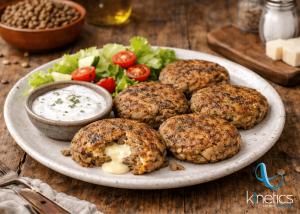
Ginger-Citrus Chicken Meatballs with Zesty Soy-Lime Sauce

Ginger-Citrus Chicken Meatballs with Zesty Soy-Lime Sauce

Ginger-Citrus Chicken Meatballs with Zesty Soy-Lime Sauce

Courtesy of realfoodwithaltitude.com

These juicy chicken bites are packed with fresh herbs, ginger, and savory soy sauce for a bold, Asian-inspired flavor. They’re quick to make, oven-baked (or air-fried), and perfect as an appetizer, meal-prep protein, or weeknight dinner paired with rice or veggies.

Ingredients

For the Chicken Meatballs

1 lb. ground chicken

2 tbsp fresh cilantro, finely chopped

2 green onions, thinly sliced

½ jalapeño, finely diced (optional)

1 tsp garlic powder

1 large egg

1 tbsp soy sauce

Salt and black pepper, to taste

For the Zesty Soy-Lime Sauce

¼ cup soy sauce

1 tbsp rice vinegar

Juice of ½ lime

½ tbsp fresh cilantro, finely chopped

1 green onion, thinly sliced

½ tsp garlic powder

½ tsp ground ginger

¼ tsp red chili flakes (optional)


Instructions

  1. Preheat the oven to 375°F (190°C). Line a baking sheet with parchment paper or lightly grease it.
  2. In a large bowl, combine the ground chicken, cilantro, green onions, jalapeño, garlic powder, egg, soy sauce, salt, and pepper. Mix gently until just incorporated.
  3. Shape the mixture into 1-inch meatballs and place them evenly spaced on the prepared baking sheet.
  4. Bake for 18–22 minutes, or until cooked through and the internal temperature reaches 165°F (74°C).
    Air-fryer option: Cook at 375°F for 12–15 minutes, shaking halfway through.
  5. While the meatballs cook, whisk together all sauce ingredients in a small bowl.
  6. Serve warm with the soy-lime dipping sauce on the side.


Nutrition facts per serving (4 meatballs + ¼ cup sauce, ~160 g):

Calories 210 kcal, Fat 9.5 g, Saturated Fat 2.3 g, Carbohydrates 5.0 g, Dietary Fiber 0.6 g, Sugars 1.2 g, Protein 25.0 g, Sodium 820 mg, Calcium 40 mg, Iron 1.8 mg, Potassium 360 mg, Vitamin C 4.5 mg.


Recipe: Lemony lentil soup (Vegan)

Recipe: Lemony lentil soup (Vegan)

Ingredients

1 cup lentils, rinsed

1 large onion, diced

2 carrots, diced

2 celery stalks, diced

2 cloves garlic, minced

1 tbsp olive oil

6 cups vegetable stock (ideally homemade from scraps!)

1 tsp dried oregano

1/2 tsp cumin

Salt and black pepper to taste 

1/4 cup fresh parsley, chopped

2 tbsp fresh lemon juice (MUST BE FRESH!)


Instructions 

  1. Sauté the onion, carrots, and celery in a large pot for 8-10 minutes, until the onions are translucent and the carrots are slightly tender. Add the garlic and cook for 1 minute more until fragrant. 
  2. Stir in the rinsed lentils, oregano, and cumin.
  3. Pour in the stock. Bring the mixture to a boil, then reduce the heat, cover, and let it simmer for 30–35 minutes, or until the lentils are tender but not mushy.
  4. Remove the pot from the heat. Stir in the chopped parsley and the FRESH lemon juice. Taste and adjust the salt and pepper.

NOTE: Adding the lemon juice after cooking is critical. The heat of cooking can destroy much of the Vitamin C.


Make it Creamy: For a creamier texture, scoop out about 1 cup of the soup after cooking and blend it in a cup or blender, then stir it back into the pot.


This soup keeps exceptionally well and tastes even better the next day. Make a double batch for easy lunches all week!


We Can Pair the Power

We Can Pair the Power

Did you know that just by choosing how we pair our ingredients we can boost -or loss- their benefits? That’s right, it’s as simple as smart pairing.

Let’s embrace healthy fats 

Some nutrients are fat-soluble (Vitamins A, D, E, and K), and your body absorbs them better with fats. Carotenoids (like beta-carotene) in carrots/sweet potatoes and lycopene (in tomatoes) especially benefit from healthy fats like olive oil, avocado, or nuts.

Cooking tip: Sauté your greens in olive oil or add a drizzle to your salad to boost nutrient uptake.

Did you know that iron loves Vitamin C?

Studies show that plant-based iron (non-heme iron) isn’t absorbed as well as animal-based iron. Vitamin C improves non-heme iron absorption, making it perfect to pair with iron-rich foods like spinach, lentils, or beans. Add lemon juice or bell peppers to your plates to help your body make the most of plant iron. Just a heads up though, even if well paired, plant-based iron isn’t absorbed as well as  animal-based iron.

It’s best when we avoid nutrient blockers at mealtime 

Compounds like tannins (found in tea and coffee) can impair absorption of non-heme iron and calcium. Enjoy those beverages, just not right after an iron-rich meal — waiting at least an hour helps you avoid interference.

Calcium needs Vitamin D

Calcium is essential for bone strength, nerve function, and muscle health—but without vitamin D, your body struggles to absorb it. Foods rich in calcium (like dairy or fortified alternatives) work best when paired with vitamin D sources like egg yolks, fatty fish, or sunlight exposure. Just 20 minutes of midday sun helps your skin make vitamin D naturally.

Whether you’re trying to boost energy, improve health, or simply enjoy your food more, these strategies help you get the most from every bite.

Are You Ready to Transform Your Kitchen & Body?

If you’re excited to harness the full potential of your food and unlock better health, reach out. Team Kinetics NJ is here to help. Text us at 732-314-3086 or respond to this email and let’s create a program that nourishes your body and delights your taste buds! 💛

What’s Coming Up At Kinetics

ADULT PROGRAMMING

  • JAN. 26 – MAR. 15: FITNESS CHALLENGE: 50 DAYS KINETICS STRONG
  • FEB. 7 – MAR. 14: VINYASA FLOW SERIES, *theme, LOVE YOUR SPINE, Saturdays 11:15-12:30PM
  • FEB 8, 1:00-5:00 PM: Historical Exhibit, The Black Kentucky Derby 1875-1921. RSVP required, text 973-433-6169
  • .FEB 14, 3:00-5:00 PM Couples Vegan Cooking Class: Couples Who Cook. RSVP required, text 732-314-3086

KIDS PROGRAMMING

  • JAN 2 – FEB 20, 1:00-3:00 PM: Cooking With The Vegan Spot: Vegan Cooking with Spanish Language Practice for Kids (ages 6-11)
  • JAN 24 – FEB 28, 9:00-10:00 AM: Aerial Fit for Kids.

TO GET MORE INFORMATION ABOUT ANY UPCOMING PROGRAM, DO TEXT US AT 732-314-3086. WE LOOK FORWARD TO HEARING FROM YOU!


Recipe: Dark Chocolate Truffles (Vegan)

Recipe: Dark Chocolate Truffles (Vegan)

Courtesy of 40aprons.com

These truffles are intensely chocolatey and perfectly sweet. And the best part is they are easy to make and very difficult to mess up!


Ingredients:

For the Truffle Center:

Medjool Dates: 14 dates (approx. 1 ½ cups), pitted

Dark Cocoa Powder: 6 tablespoons (dark or black cocoa is recommended for a richer flavor)

Coconut Oil: 4 tablespoons, softened (refined coconut oil is best if you want a neutral taste)

Vanilla Extract: 1 teaspoon


For the Chocolate Coating (Optional):

Vegan Chocolate Chips: ½ cup

Coconut Oil: 1 tablespoon

Topping: Flake salt, coconut flakes


Instructions:

  1. Soak the Medjool dates in hot water. Let them soak for about 5 minutes until they are soft and pliable. Drain the water thoroughly.
  2. Remove the pits.
  3. Add the softened dates, dark cocoa powder, softened coconut oil, and vanilla extract into a food processo and process to a paste. Continue processing until the mixture pulls away from the sides and begins to form a cohesive ball.
  4. Line a plate with parchment paper. Scoop out rounded teaspoons of the mixture and place them on the plate. (Tip: Dip your fingers in warm water if the mixture is too sticky to handle).
  5. Place the plate of truffle mounds in the freezer for 5–10 minutes. This firms up the dough so they are easier to handle.
  6. Remove from the freezer and roll each piece between your palms to create smooth, even spheres.

Coating:

  1. If using the chocolate coating, combine the chocolate chips and 1 tablespoon of coconut oil in a microwave-safe bowl. Heat in 30-second intervals, stirring in between, until completely smooth.
  2. Using a fork, dip each date ball into the melted chocolate. Tap the fork on the side of the bowl to let excess chocolate drip off, then slide the truffle back onto the parchment paper.
  3. Immediately sprinkle with the topping while the chocolate is still sticky. Place the truffles in the refrigerator for a few minutes to allow the chocolate shell to harden completely.


Nutrition facts per serving (1 truffle, ~25 g, ~0.9 oz):

Calories 125 kcal, Fat 6.5 g, Saturated Fat 4.8 g, Carbohydrates 16.5 g, Dietary Fiber 2.2 g, Sugars 12.5 g, Protein 1.2 g, Sodium 20 mg, Calcium 18 mg, Iron 1.3 mg, Potassium 210 mg.


Recipe: Spirulina green smoothie (Vegan/Vegetarian)

Recipe: Spirulina green smoothie (Vegan/Vegetarian)

Spirulina is a blue-green algae that is one of the most protein and nutrient-dense foods on the planet. It also provides iron and B vitamins, vital for energy metabolism and muscle recovery. Fruits like banana contain anti-inflammatory agents and potassium, helping to reduce swelling and muscle soreness and prevent cramps.

This smoothie is ideal for promoting muscle repair and boosting energy levels for those days you feel like you could use a gentle push to leave the couch.

Ingredients

1 cup frozen pear chunks

1 frozen banana, sliced

1 cup coconut water (or your favorite nut milk)

1 handful of fresh baby spinach (for extra greens, you won’t taste it!)

1/2 tsp to 1 tsp spirulina powder (start small if you’ve never used it!)

1/2 inch piece of fresh ginger, peeled (optional, for an extra digestive kick)

1 scoop vanilla protein powder (optional, for an extra protein boost)


Instructions

  1. Combine the coconut water (or milk) and spinach in a high-speed blender first and blend until the spinach is fully liquified. 
  2. Add the frozen pear and banana, the spirulina powder, ginger, and protein powder (if using).
  3. Blend on high speed until completely smooth and a beautiful vibrant green color.
  4. If the smoothie is too thick, add a splash more coconut water. If it is too thin, add a few more frozen pair chunks.


Nutrition facts per serving (1 smoothie, 420 mL, 8.5 oz):
Calories 245 kcal, Fat 2.9 g, Saturated Fat 0.6 g, Carbohydrates 45.8 g, Dietary Fiber 7.6 g, Sugars 30.9 g, Protein 11.8 g, Sodium 95 mg, Calcium 120 mg, Iron 2.3 mg, Potassium 780 mg, Vitamin C 46 mg.


Recipe: Flavored roasted pumpkin seeds (Vegan)

Recipe: Flavored roasted pumpkin seeds (Vegan)

Because it turns out we buy a pumpkin or squash, throw the seeds in the trash, eat the pumpkin… and then we buy pumpkin seeds again at the neighborhood health food store.

And by the way, they’re considerably more expensive per pound than the pumpkin itself.

Ingredients

It yields approximately half a jar

Seeds from 1 pumpkin

1/4 cube of vegetable broth

A drizzle of olive oil


Instructions

1) Remove the seeds from the pumpkin, rinse them under running water, and remove any remaining bits of pumpkin. Pat dry with a cloth or paper towel.

2) In a bowl, prepare the seasoning by mixing the oil, salt and chosen flavoring, until a paste forms. Add the pumpkin seeds to the bowl and mix well.

3) Sauté the seeds in a hot, empty pan. Stir them with a wooden spoon. When they are golden brown, remove them from the pan. You can also use an air-fryer to get amazing results!

4) You can store them in a tightly sealed jar… if they last that long.

Here are some flavoring ideas:

Mustard: Add 1/2 tsp. of mustard.
Ajada: Add 1/2 tsp. of paprika and 1/2 clove of minced garlic or garlic powder.
Ginger: Add 1/2 tsp. of ground ginger or 1 slice of grated fresh ginger.
Spicy: Add a pinch of paprika or chopped fresh chili.
Curry: Add 1/2 tsp. of mild curry powder.
Sweet and sour: Add 1/2 tsp. of sugar


Try them:

In a green salad. They’ll add a nice crunch and give the dish some character.
As a snack, to accompany an appetizer or a beer.
They are ideal for “food plugging” (the art of sneaking healthy food into your children’s diet).


Nutrition facts per serving (40 g or 1.5 oz):
Calories 184 kcal, Fat 15.4 g, Saturated Fat 2.7 g, Carbohydrates 6.9 g, Dietary Fiber 3.2 g, Sugars 0.7 g, Protein 8.8 g, Sodium 193 mg, Calcium 28 mg, Iron 2.1 mg, Potassium 339 mg, Vitamin C 0.9 mg.


Maybe It Isn’t Trash

Maybe It Isn’t Trash

Have you ever stopped to think about why we eat certain parts of vegetables and throw away the rest?

Take broccoli or carrots for example, most of us only eat the florets and the roots; we throw the most valuable, nutrient rich part of the vegetable into the trash.

We skip the stems as if they aren’t edible but they totally are. Why do we do that?

Each time we throw out the stems or the greenery on our vegetables we throw money and nutrients into the trash.

If you and I are anything alike we love eating healthy and saving money, don’t we?!

Will you join me in doing more of that?

Here is why eating more of our produce makes sense

By doing so we:

  • Give purpose to scraps, our nutritional powerhouses!: veggie peels and stems are high in fiber, vitamins and minerals, while chicken and meat bones are rich in collagen and essential minerals. When you throw them away, you are wasting valuable nutrients that your body needs.
  • Reduce our environmental impact: we make fewer trips taking the garbage out while making a positive contribution to the planet. Less waste heading to the landfill means less methane and greenhouse gas emissions generated by decomposing food.
  • Save money: when we consume more of the produce that we eat, our food lasts longer; that longevity means that we potentially buy less produce monthly and that equals savings.

Not so fun fact

Globally, approximately one-third of all food produced is lost or wasted. This means 1.4 billion hectares of land and 250 trillion units of fresh water used for its production that just go to waste. Not only that, if only 1/4 of the food lost or wasted across the globe could be recovered, it could feed 750 million people.


6 Ways to Maximize Veggies, Chicken and Eggs

1. The Veggie Power Broth

Don’t toss the ends of your carrots, celery, onions, or parsley stems! Keep a gallon bag in your freezer and toss all clean vegetable scraps in it. When it’s full, simmer the contents with water and a pinch of salt for a few hours. Strain, and you have a nutrient-dense, virtually free vegetable stock that’s better (and lower in sodium) than anything store-bought.

2. The Sunday Clean-Out Meal

Dedicate one meal a week to using up leftovers and small remnants. An “Everything-Frittata” ensures nothing sits too long and spoils. It forces creativity and prevents waste.

3. Soil Amendment/Calcium Boost

Eggshells are almost pure calcium carbonate, which is essential for healthy plant cell walls. After rinsing and drying the eggshells, crush them finely and mix them directly into the soil before planting, especially for plants that love calcium, like tomatoes, peppers, and broccoli.

4. Non-Toxic Scouring Powder

The fine, gritty powder of crushed eggshells makes an excellent abrasive. Mix the crushed shells with a little baking soda and soapy water to create a paste. Use it to scrub stubborn, cooked-on food from pots and pans without harsh chemicals.

5. The Chicken Liquid Gold

After you’ve enjoyed a roasted chicken, don’t toss the carcass! Throw the bones into a slow cooker with water and a splash of apple cider vinegar, and let it simmer for at least 8 hours (the longer the process, the more collagen is extracted). Remove the impurities that rise to the surface during the first hour of cooking to help ensure that the bone broth is clear and free of bitter flavors. You can add whole vegetables or veggies’ scraps to add a touch of sweetness and balance the flavor. Strain the broth well to remove any residue and obtain a clear bone broth ready to use. The resulting bone broth is packed with collagen and gelatin, fantastic for joint health, gut repair, and minimizing muscle soreness after your toughest Kinetics NJ workouts.

6. Get creative in the kitchen!

Use veggie “scraps” like leaves or stems in salads, sauteés, sauces and broths. You can also use the pumpkin seeds for a crunchy savory snack or topping for soups and salads.


If you’re ready to begin your body, budget and sustainable transformation, then DO reach out to us for more nutrition tips. Just reply to this message and our team at Kinetics NJ will get you started.


Recipe: Sweet Potato Energy Bites (Vegan)

Recipe: Sweet Potato Energy Bites (Vegan)

Try this different snack once, and you’ll just LOVE it!

Ingredients

1 cup cooked and mashed sweet potato (ensure it is cooled)

1/2 cup rolled oats (or quick oats)

2 tablespoons Almond butter (or peanut butter)

1/2 teaspoon Cinnamon and/or 1/4 teaspoon Vanilla extract

Pinch of salt


Instructions

  1. In a medium bowl, combine the mashed sweet potato, oats, almond butter, cinnamon, vanilla extract, and salt.
  2. Stir all the ingredients to obtain a thick, uniform dough. If the mixture seems too wet, add another tablespoon or two of oats.
  3. Roll the dough into 8-10 small, bite-sized balls (about 1 inch each).
  4. Chill (Optional but Recommended) the energy bites on a small plate or container and in the refrigerator for at least 30 minutes to firm up.

Store in an airtight container in the refrigerator for up to one week.


Recipe: Carrot & ginger soup with toasted seeds (Vegan)

Recipe: Carrot & ginger soup with toasted seeds (Vegan)

Courtesy of: Wholesomelicious

This soup is vibrant, nourishing, and requires only simple steps. It’s perfect for practicing mindful eating—pay attention to the bright orange color, the sharp scent of the ginger, and the smooth, comforting texture in opposition to the crispiness of the toasted seeds as you enjoy each slow, deliberate spoonful.

Prep Time: 10 minutes

Cook Time: 40 minutes

Yields: 4 servings

Ingredients

1 tablespoon coconut oil (or olive oil)

1 medium yellow onion, chopped

1 inch piece of fresh ginger, peeled and grated (or 1 tsp ground ginger)

3 large carrots, peeled and roughly chopped

3 cups vegetable broth (low sodium)

1/2 cup unsweetened coconut milk (canned, light)

Salt and black pepper to taste

A drizzle of toasted pumpkin seeds

Instructions

  1. In a large pot, heat the coconut oil over medium heat.
  2. Add the chopped onion and sauté for 5–7 minutes until soft and translucent.
  3. Stir in the grated fresh ginger and cook for 1 minute until fragrant. (If using ground ginger, wait until further steps).
  4. Add the chopped carrots and the broth to the pot. Add salt and pepper, and the ground ginger if using this.
  5. Bring the mixture to a boil, then reduce the heat to low, cover, and let it simmer for 20–25 minutes, or until the carrots are very tender when pierced with a fork.
  6. Blend until the soup is completely smooth and creamy.
  7. Stir in the coconut milk (if using) and blend for a few more seconds.
  8. Taste and adjust the seasoning with additional salt and pepper as needed. A dash of lemon juice can brighten the flavors.
  9. Serve into bowls and top with the toasted seeds.

Nutrition facts per serving (1 cup, 245 g or 8.6 oz):

Calories 120 kcal, Fat 5.5 g, Saturated Fat 2.5 g, Carbohydrates 15 g, Dietary Fiber 4 g, Sugars 7 g, Protein 2 g, Sodium 80 mg, Calcium 35 mg, Iron 1.0 mg, Potassium 420 mg, Vitamin C 9 mg.